MS Electrical Engineering, NUST, Pakistan
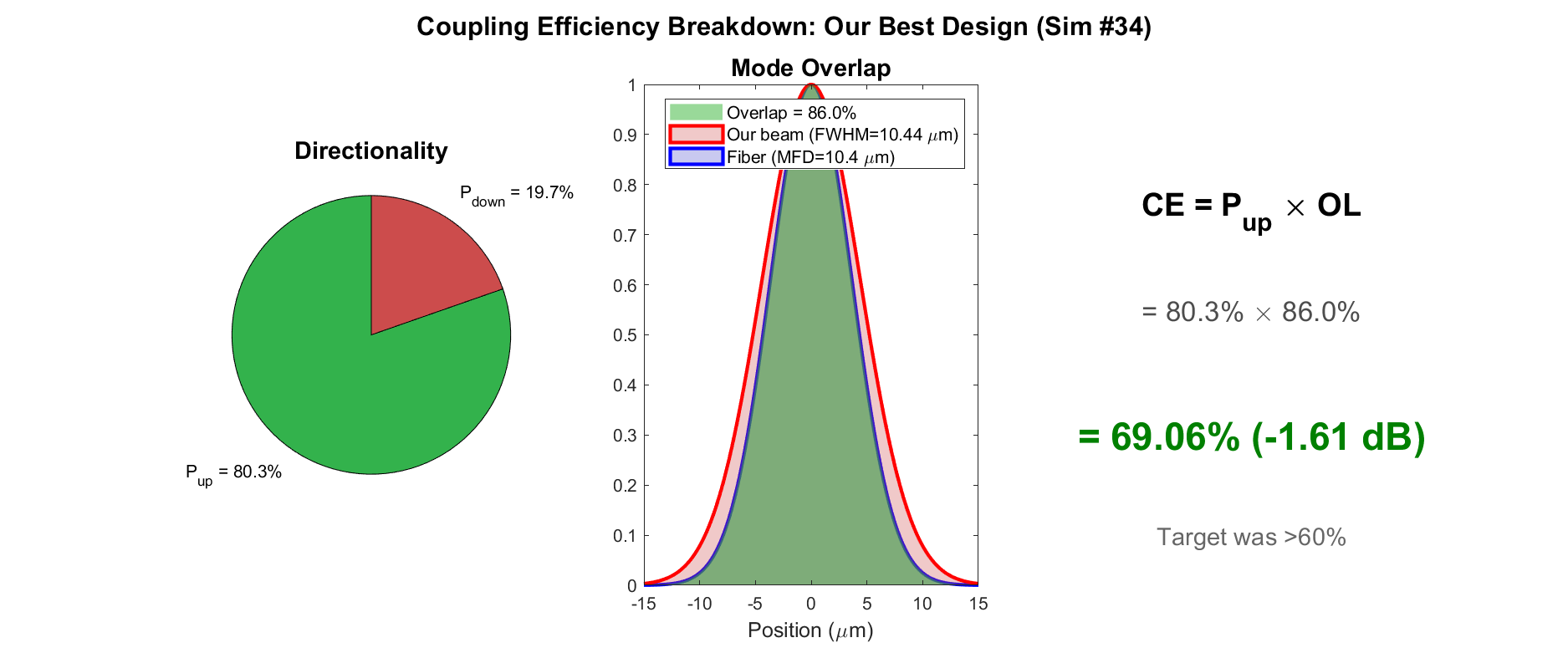
Electrical engineer with 3+ years of industry experience in embedded systems and FPGA design, currently pursuing MS at NUST with research in silicon nitride photonics. My thesis focuses on designing a high-efficiency apodized focusing grating coupler, achieving 69.1% coupling efficiency — currently being fabricated at LAAS-CNRS, France. I combine strong hardware engineering fundamentals with hands-on simulation, edge AI deployment, and photonic device design.
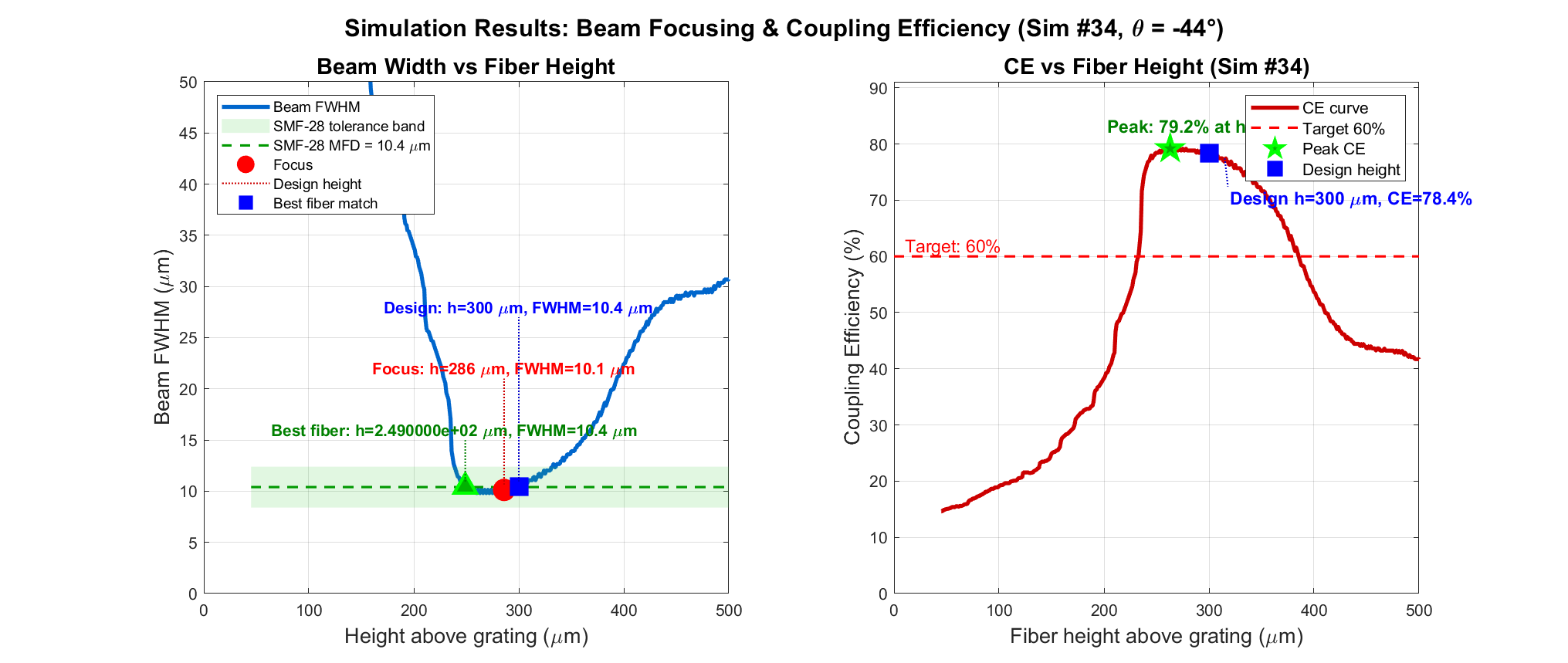
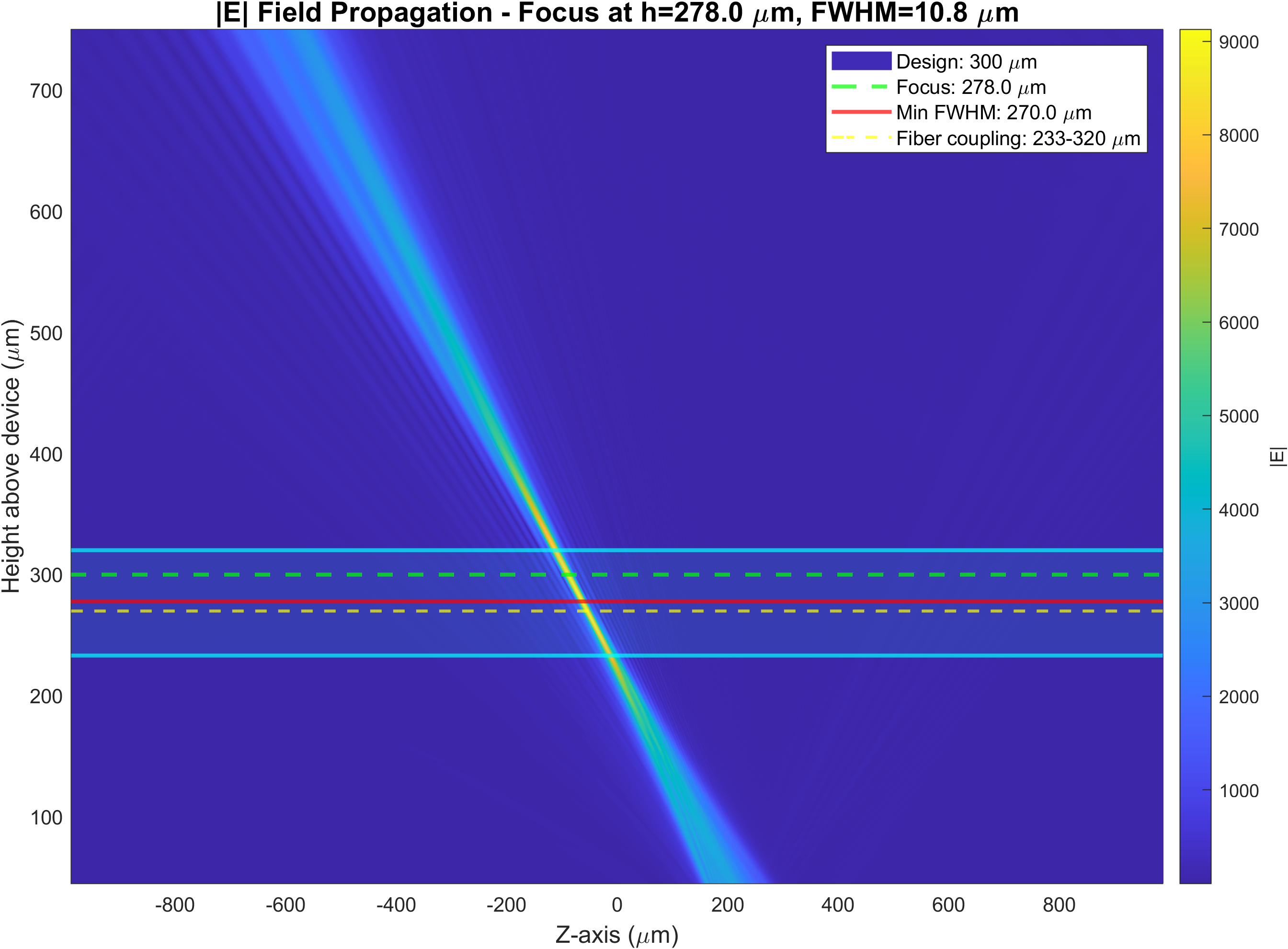
Designed an apodized focusing grating coupler (FGC) on a 300 nm silicon nitride platform for fiber-to-chip coupling at 1550 nm. The device uses a single full-etch process with SiO2/PMMA cladding, achieving 69.1% coupling efficiency (−1.61 dB) to SMF-28 fiber — a 43% improvement over the uniform baseline (48%).
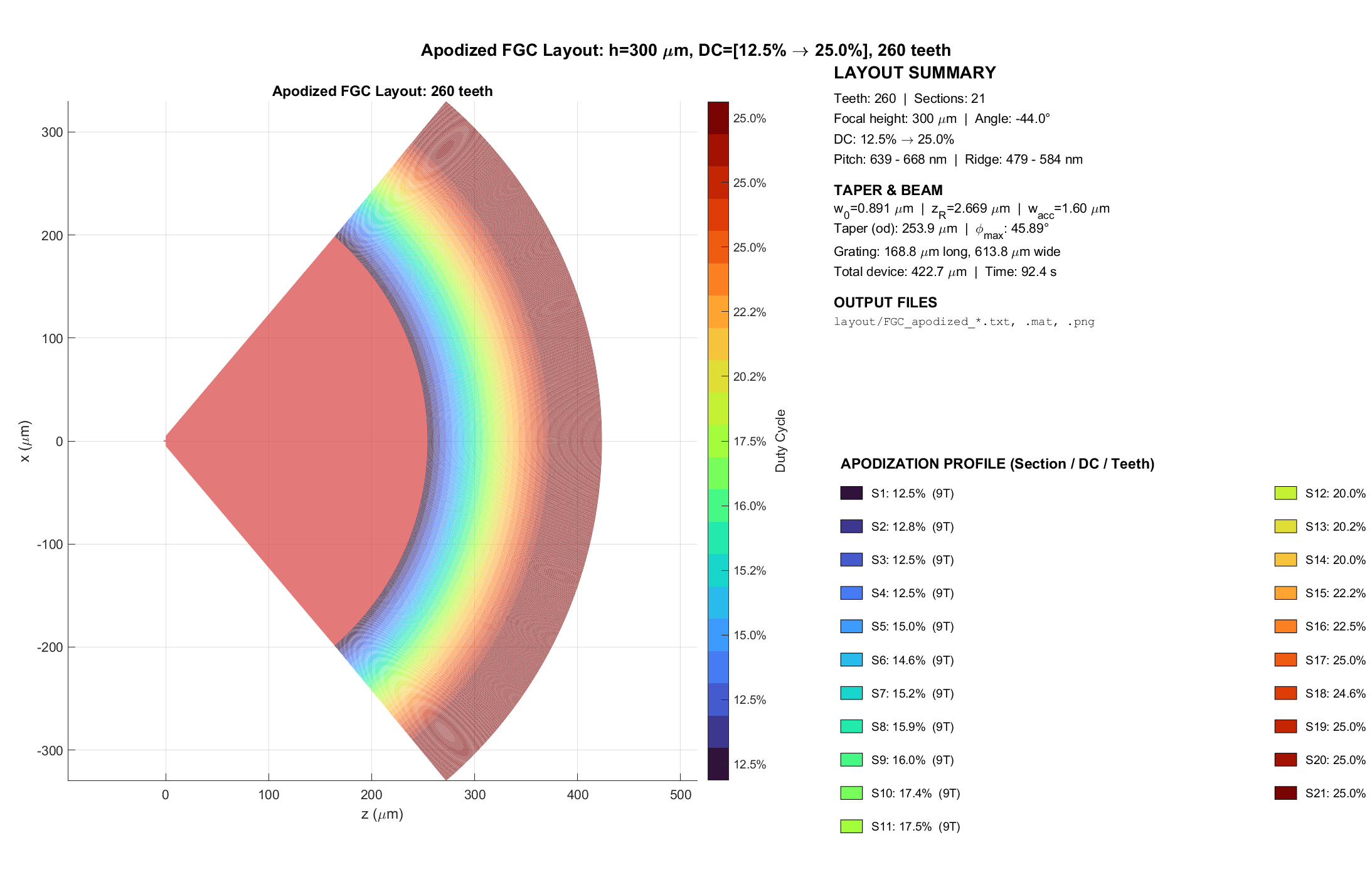
The apodization ramps the duty cycle from 12.5% to 25% across 260 grating teeth (21 sections) to shape the radiated field for optimal Gaussian mode matching. A parametric sweep of 1,472 FEXEN electromagnetic simulations was conducted to construct the effective index lookup table. The complete design-to-GDS pipeline was developed in MATLAB (3,000+ lines). The device is currently being fabricated at LAAS-CNRS, Toulouse, France.
LAAS-CNRS, Toulouse, France — Device fabrication.
University of Málaga, Spain — Collaboration on focusing grating coupler layout methodology (Robert Halir).
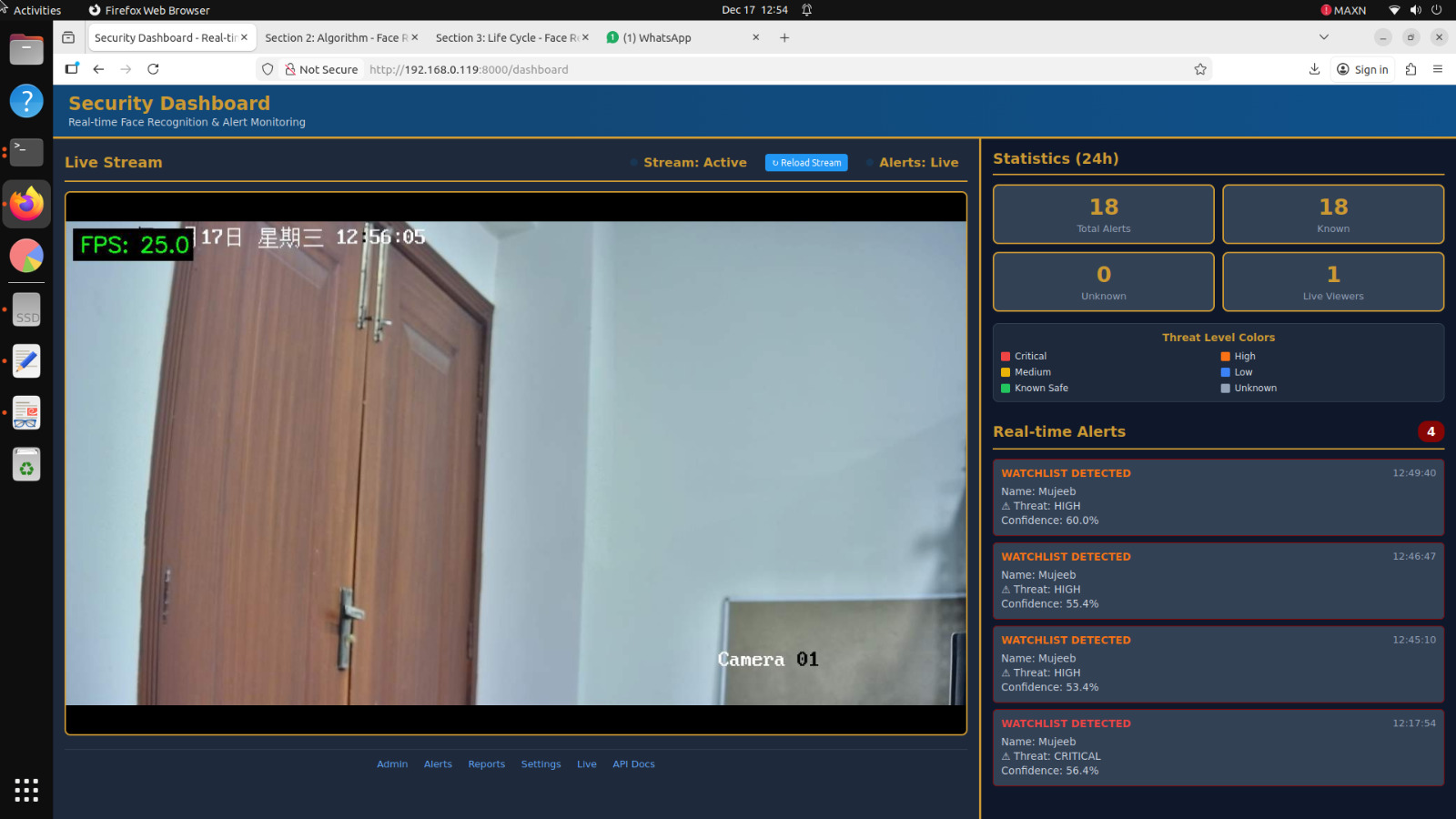
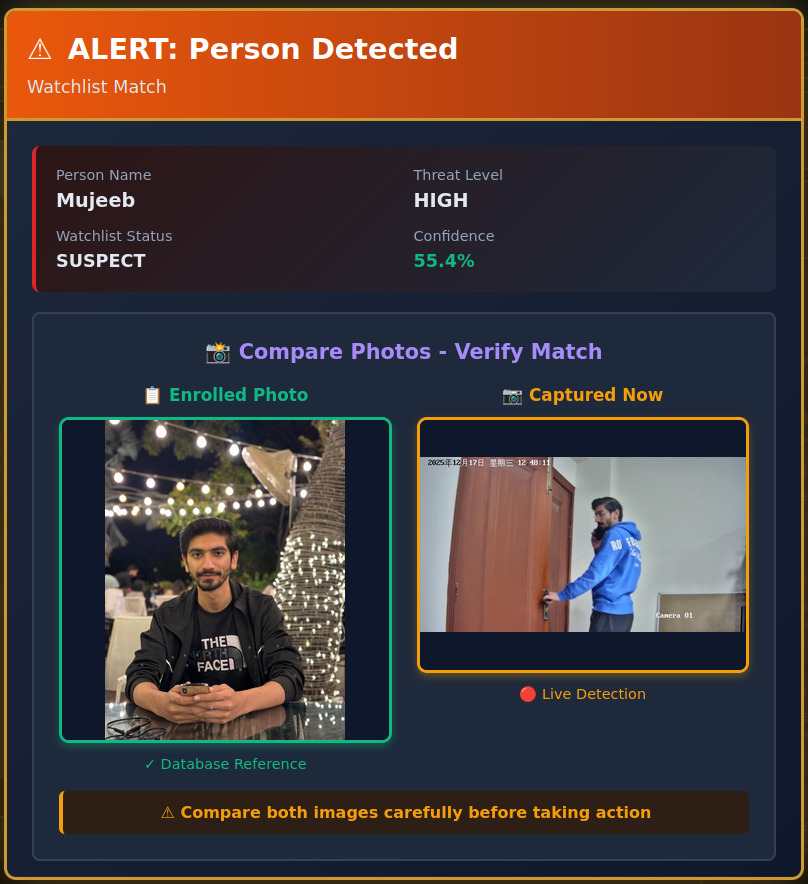
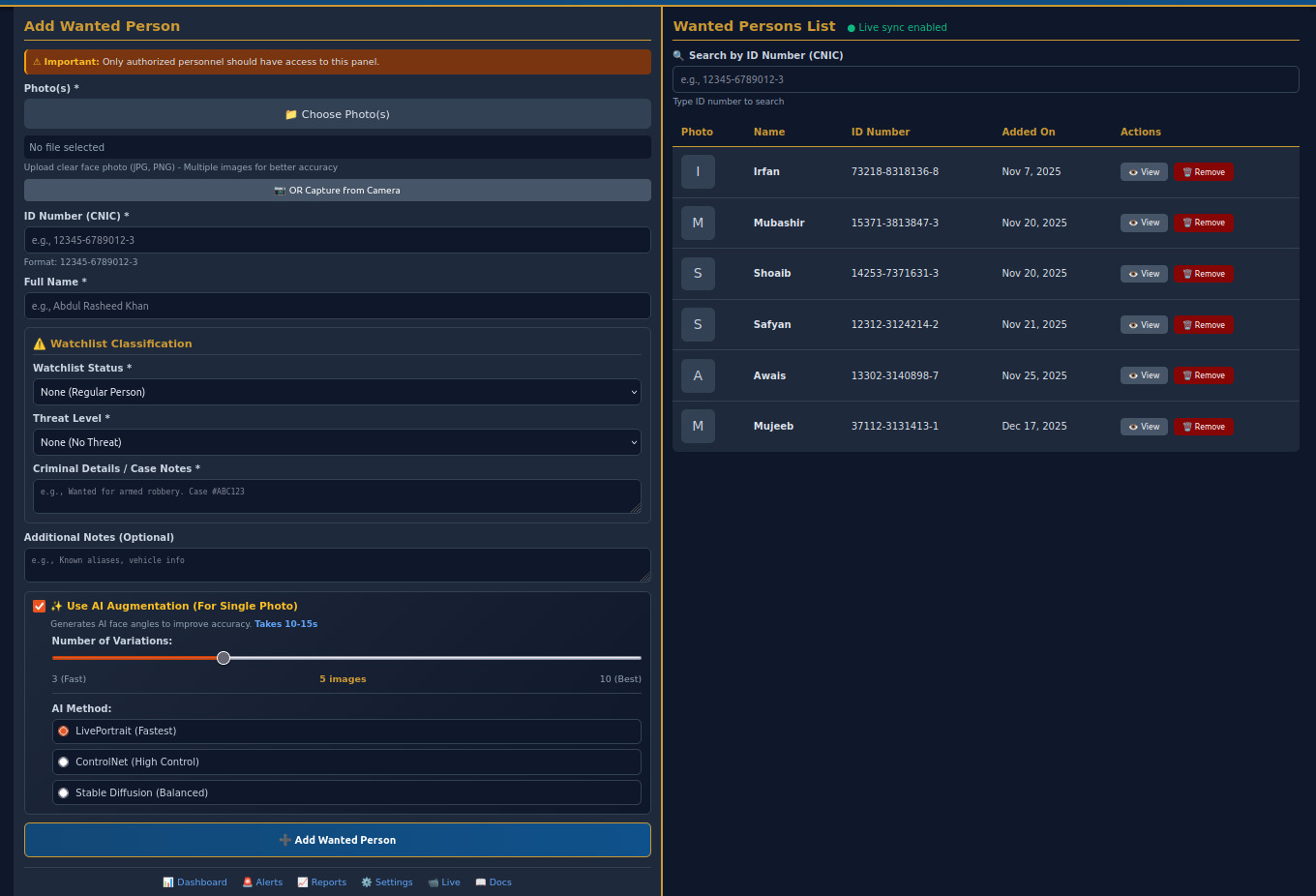
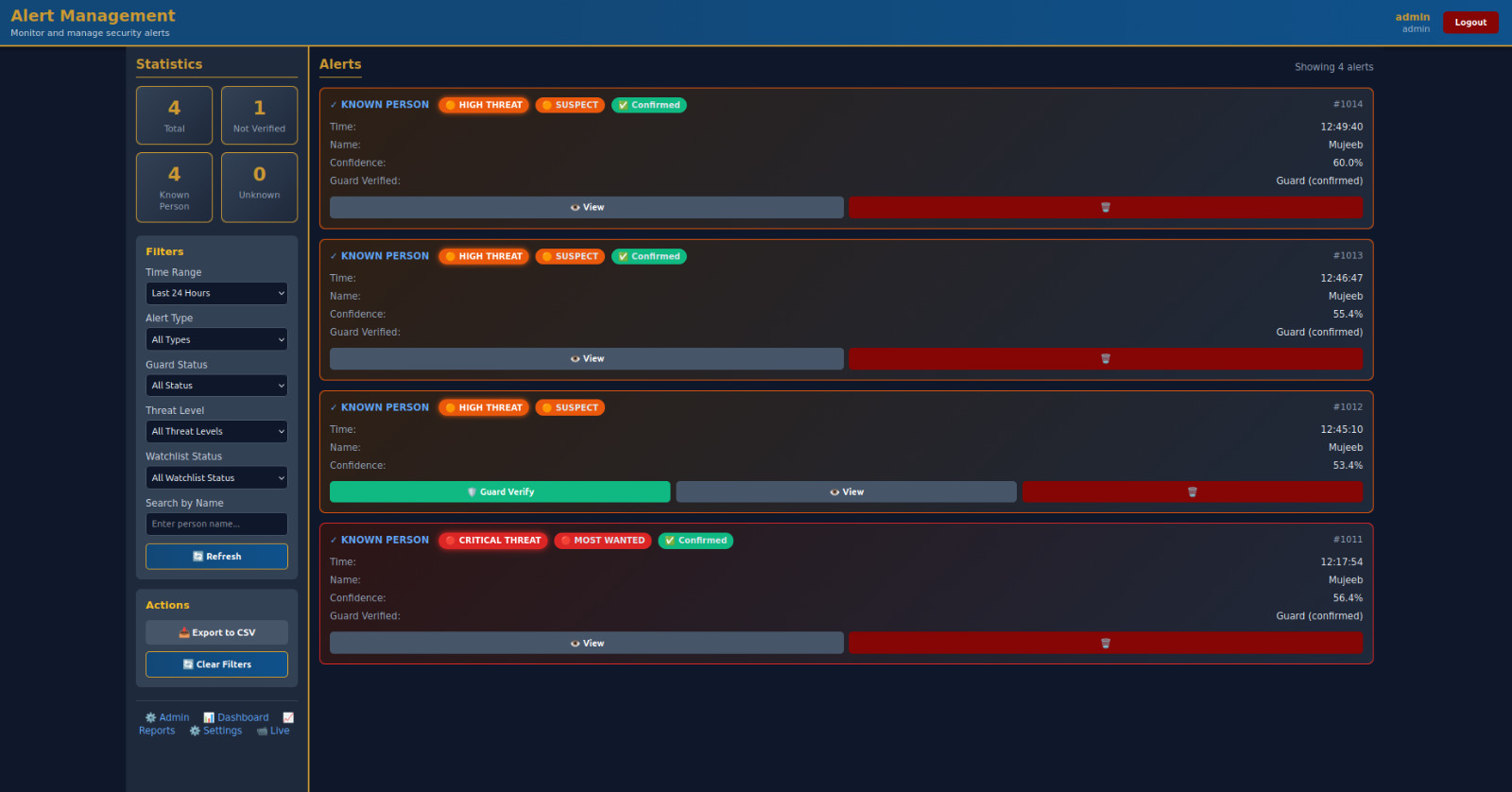
Production-ready real-time face detection and recognition system deployed on NVIDIA Jetson AGX Orin. GPU-accelerated SCRFD detection with TensorRT FP16 optimization (25-30 FPS), FAISS GPU for sub-millisecond similarity search across 1000+ faces. Features multi-face tracking, RTSP camera integration (Hikvision), FastAPI backend with WebSocket real-time alerts, and a complete web dashboard with JWT authentication.
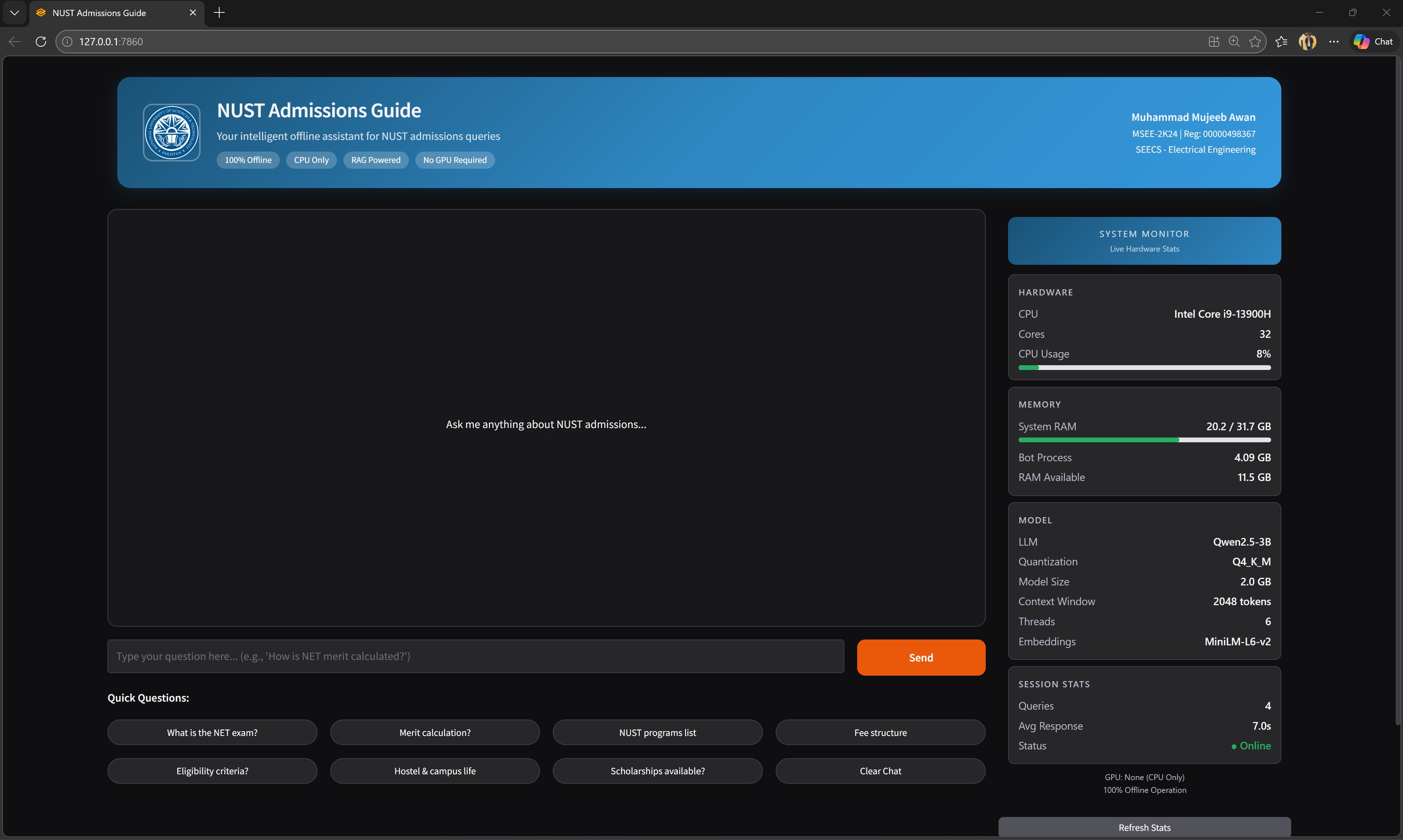
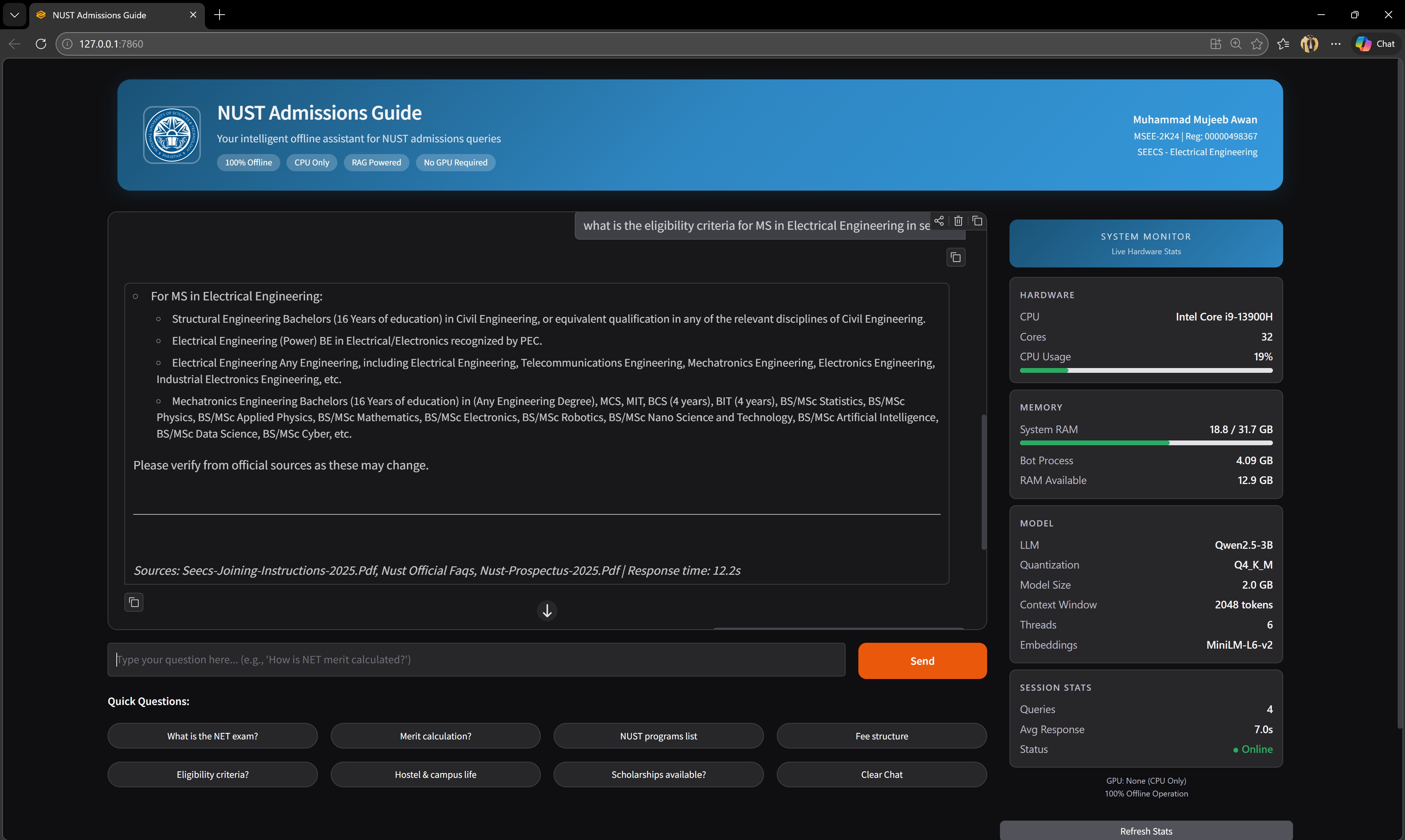
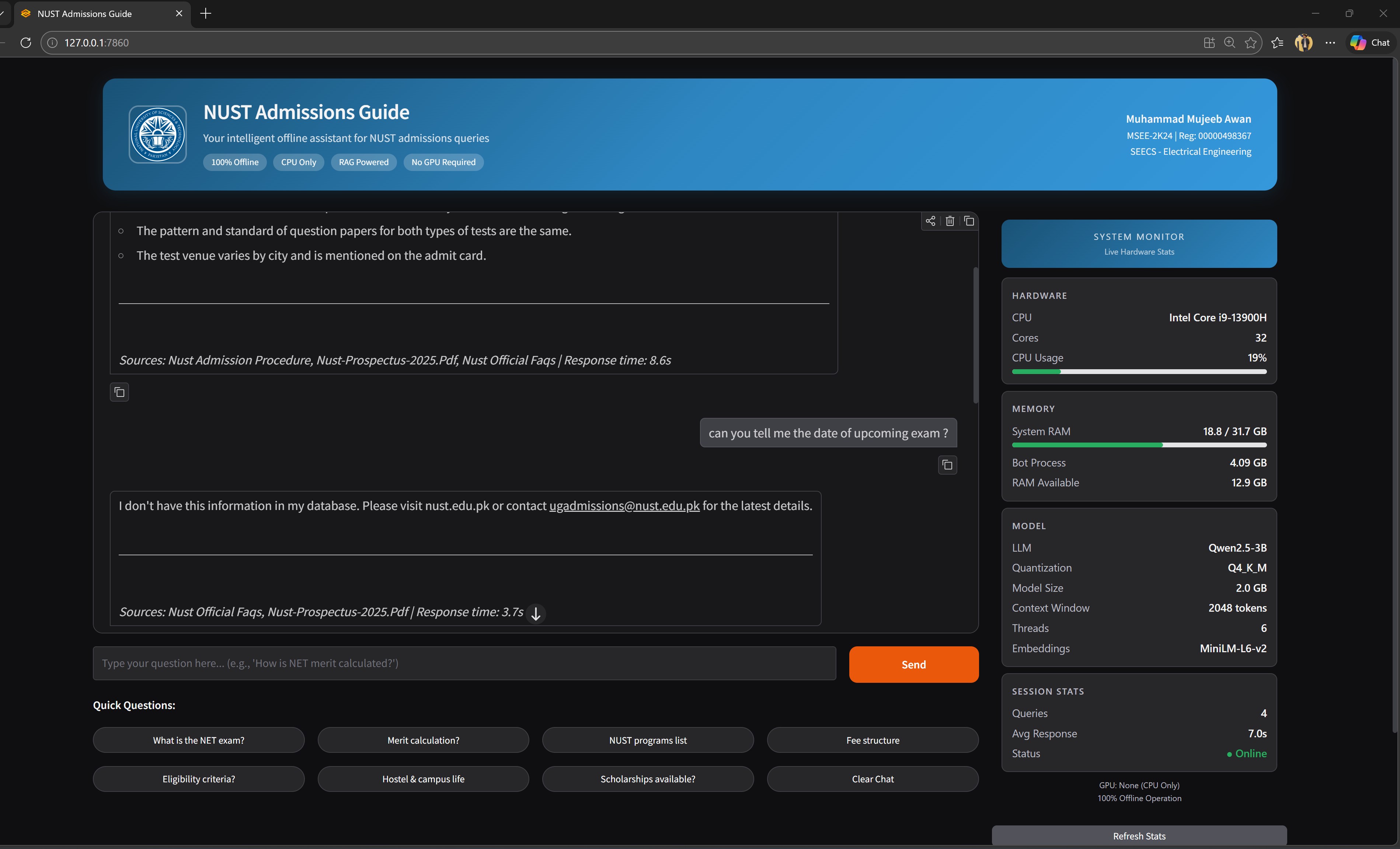
An offline retrieval-augmented generation (RAG) chatbot for NUST admissions guidance. Runs entirely on consumer hardware — no GPU, no cloud, no internet after initial setup. Processes 74 Q&A pairs and 12 official PDFs (1,070 indexed documents) through a FAISS vector store, retrieves the top-5 relevant chunks, and generates grounded answers using a quantized Qwen2.5-3B model (4-bit, ~2 GB) via CPU inference.
The system explicitly states knowledge gaps rather than hallucinating, displays source documents for transparency, and runs on just 4–6 GB RAM. Built with LangChain for pipeline orchestration, llama-cpp-python for inference, and Gradio for the web interface.
FPGA digital design (Verilog, Xilinx Vivado), embedded software (C/C++, FreeRTOS on ESP32/STM32), GPU-accelerated AI deployment on NVIDIA Jetson platforms, PCB design, and communication protocol implementation (UART, SPI, I2C, CAN, Ethernet).
Conducted lab sessions for undergraduate EE courses in embedded systems, digital design, and microcontroller programming.
Designed energy-efficient arithmetic units for FPGA-based hardware accelerators using Verilog.
Thesis: High-Efficiency Apodized Focusing Grating Coupler on Silicon Nitride Platform
Supervisor: Dr. Usman Zabit
FYP: Automobile Black Box (IoT-based vehicle tracking and data logging system)
Email:
mawan.msee24seecs@seecs.edu.pk
·
mujeebciit72@gmail.com
Phone: (+92) 316 223 4550
Location: Islamabad, Pakistan